The Story of the Network's Formation
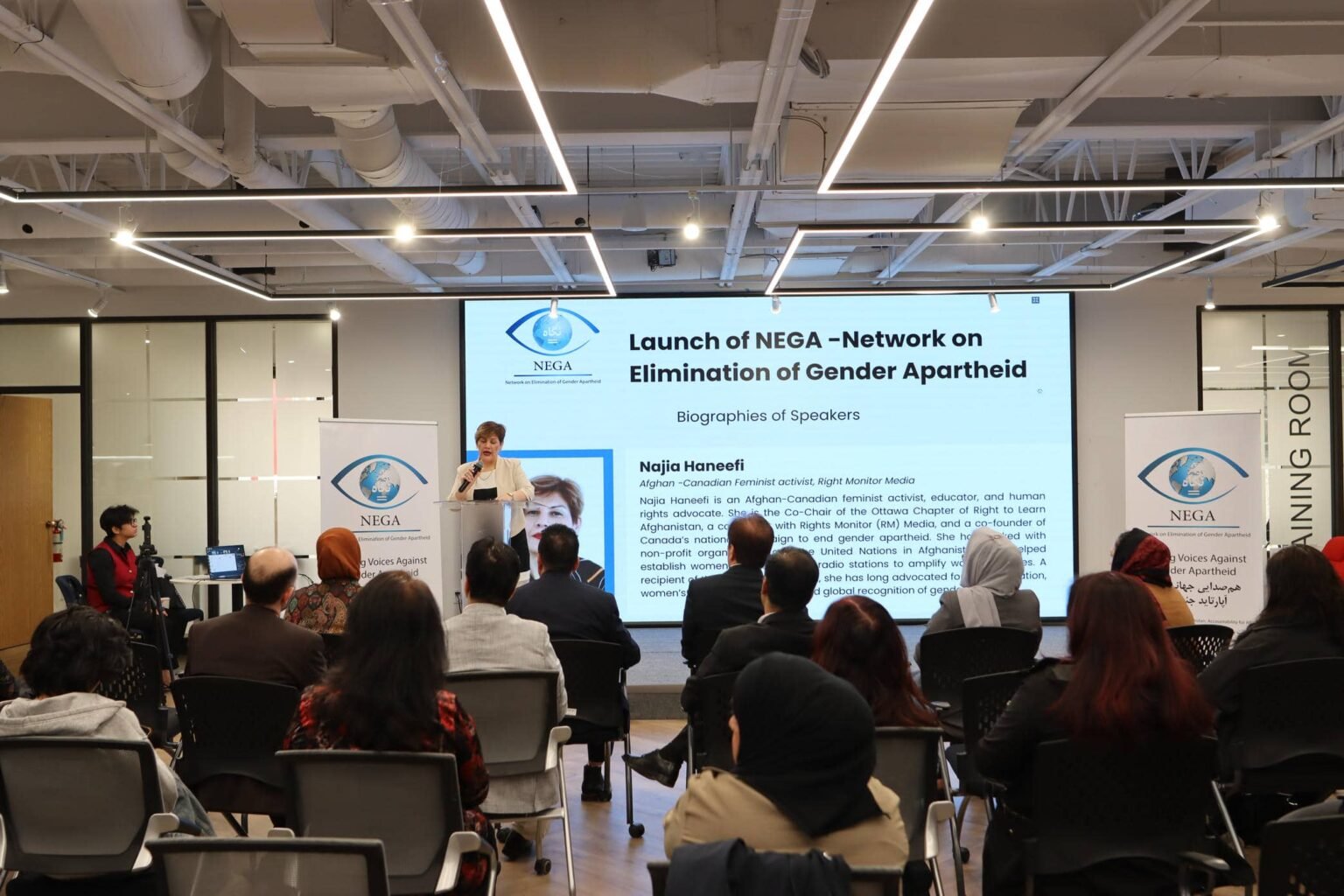
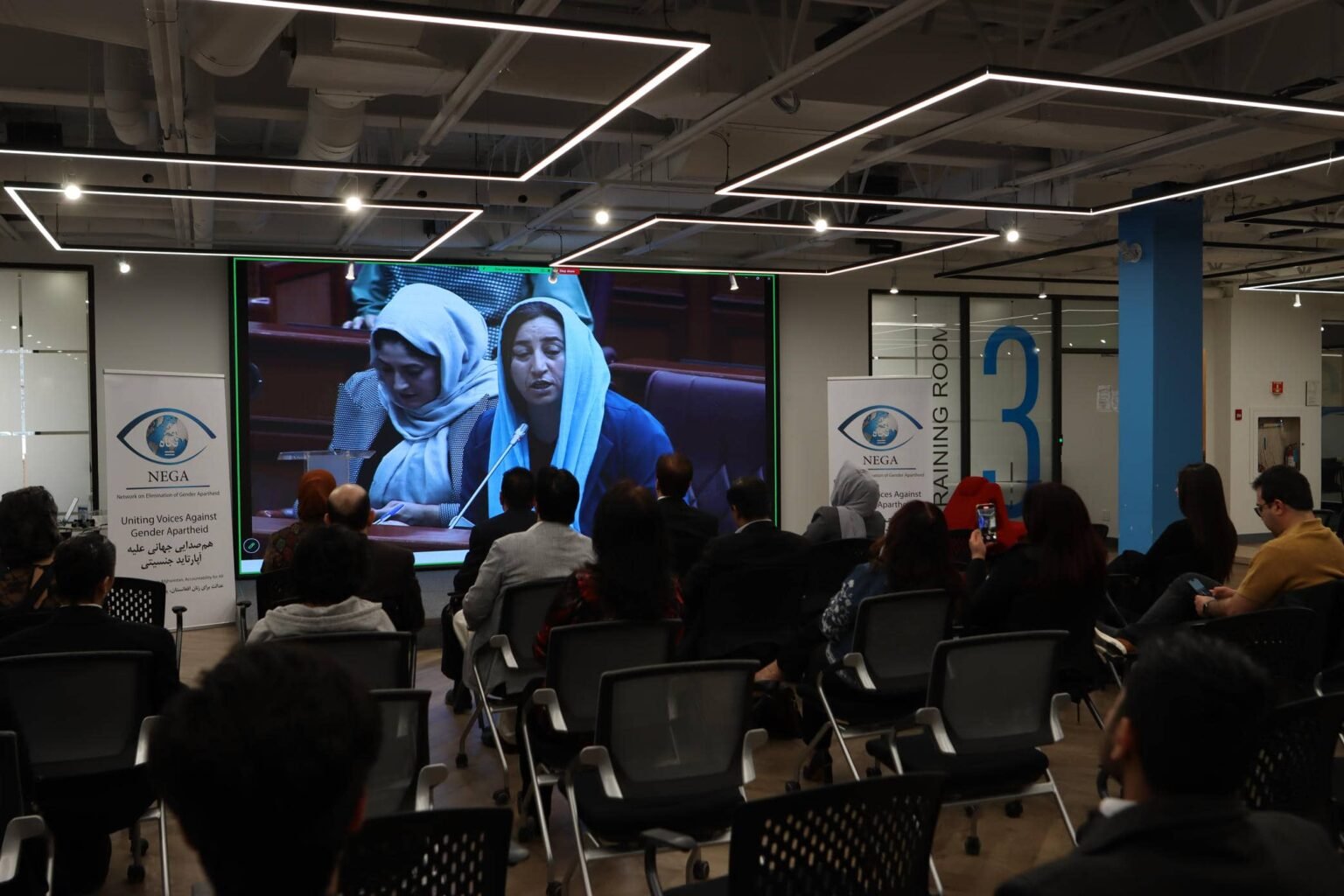
The Gender Apartheid Abolition Network (NEGA) was formed in response to the systematic escalation of gender apartheid in Afghanistan, born from a shared belief: combating this system requires an independent, inclusive, and Afghan-centric network capable of bringing together activists, organizations, and human rights defenders on a common path.
This journey began with the drafting of a call to establish the network. Simultaneously, a draft statute and the initial framework of the network were prepared and shared with allied activists and organizations to gather their perspectives. Following the publication of the call, dozens of activists and organizations from various countries expressed their readiness to join this initiative, leading to the first consultative meetings.
During these discussions, members did not merely debate the structure of a network; rather, they addressed a fundamental question: what position would NEGA hold in the fight against gender apartheid? The outcome of these dialogues was the formation of a shared vision: creating a network independent of political rivalries and power structures, firmly founded on the values of intersectional feminism, collective leadership, transparency, accountability, and solidarity.
To realize this vision, a group of members voluntarily took on the responsibility of drafting the statute and designing the network’s governance structure. After months of collaboration, regular meetings, and extensive consultations, the statute was finalized. All individuals and organizations that accepted its principles and values were recognized as the founding members of the network.
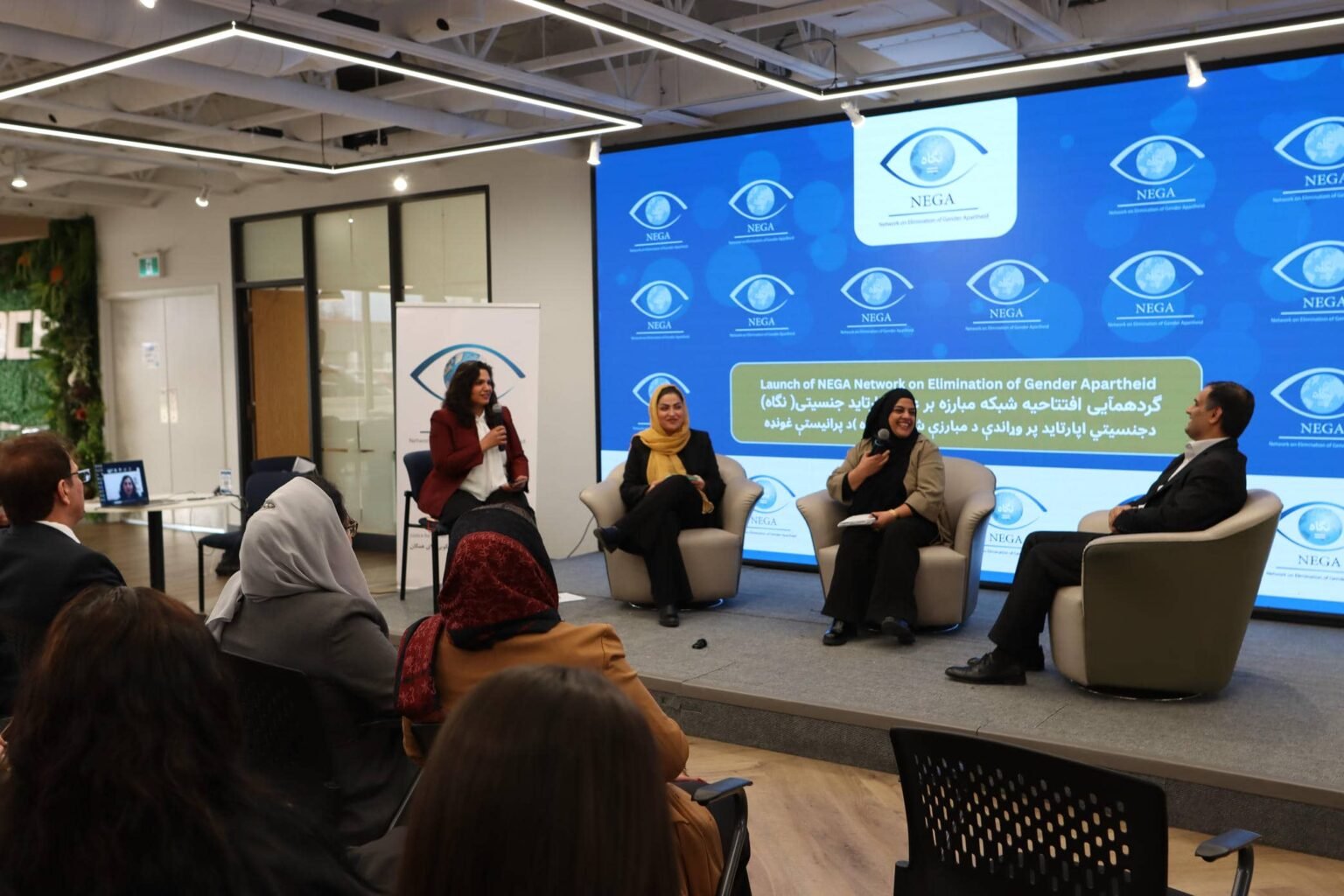
Today, NEGA is a global, independent, and Afghan-centric network that, relying on solidarity, collective leadership, and feminist justice, works towards the official recognition of gender apartheid, holding its perpetrators accountable, and supporting the struggles of Afghan women and girls. It is our core belief that ending gender apartheid is only possible through cooperation, solidarity, and collective action.